Boat Storage Maintenance Guide: Essential Tips for Preserving Your Boat
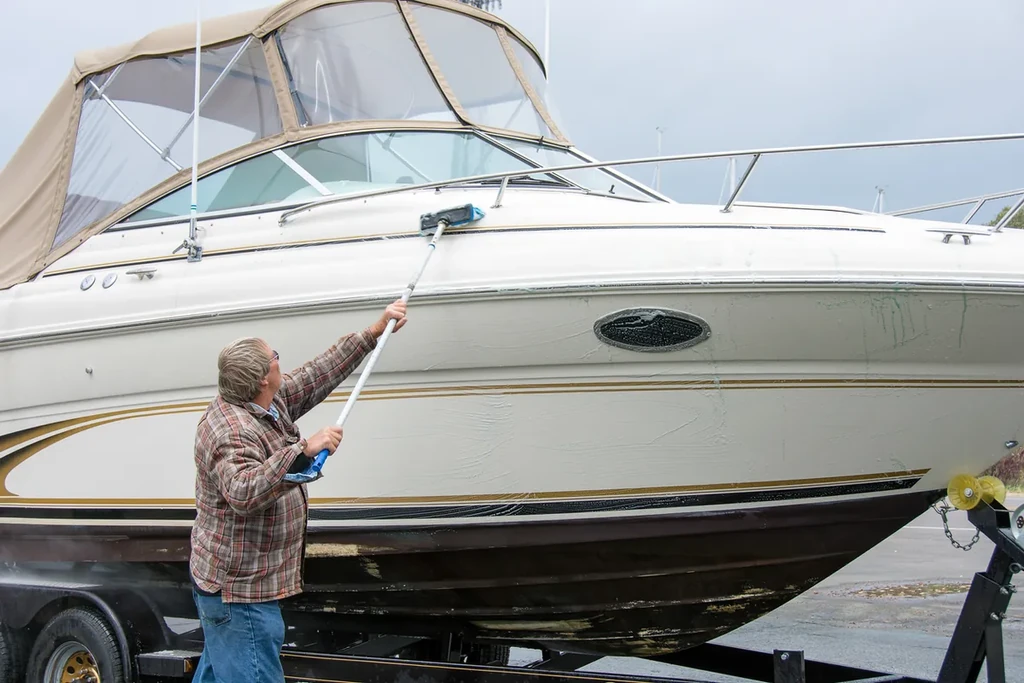
Navigating the high seas is a thrilling experience, but preserving your boat for many such ventures requires more than just docking it after a fun ride. Welcome to the ultimate guide to boat storage maintenance that will keep your aquatic investment in superior condition even during off-seasons. Uncover crucial practices and essential tips that will prolong your boat's lifespan, ensure safety, and keep it ready for its next adventure whenever you are. Buckle up as we dive deep into the sea of preserving your prized vessel!
Pre-Storage Boat Inspection and Cleaning
Before putting your boat into storage, it's crucial to conduct a thorough inspection and cleaning to ensure its longevity and prevent any potential damage. This step is vital because any existing issues can worsen over time, especially during periods of extended inactivity. By taking the time to assess and prepare your boat properly, you can save yourself from costly repairs when the boating season resumes.
Start by examining the exterior of your boat for any signs of damage. Look for cracks, chips, or other structural issues in the hull or fiberglass. Pay close attention to areas that are more prone to wear and tear, like the bow and sides of the boat. If you notice any damages, it's essential to address them promptly before storing your boat. Small cracks can typically be repaired with gelcoat or epoxy, but larger damages may require professional assistance.
Next, inspect all electrical components, including lights, wiring, and batteries. Check for loose connections or frayed wires that may need repair or replacement. Ensure that the battery terminals are clean and free from corrosion. If there are any battery issues, such as low charge or damage, consider replacing them before storage.
Moving on to the interior of your boat, remove all personal belongings and equipment. Thoroughly clean the cabin area, removing any debris or dirt that may have accumulated during use. Vacuum carpets and upholstery, making sure they are dry before storage to prevent mold or mildew growth.
Take this opportunity to inspect the seating areas for any tears or cracks in the upholstery. Repairing these minor damages now can prevent them from worsening over time due to temperature changes and moisture exposure during storage.
Once you've addressed the visible aspects of cleaning and inspection, it's time to focus on preparing your boat for storage.
Now that we've covered pre-storage inspection and cleaning, let's move on to another important aspect: addressing damage and dust.
Addressing Damage and Dust
During boat storage, it's not only important to protect your vessel from structural damage but also from dust and other environmental elements that can accumulate over time. Dust, when left unchecked, can cause the degradation of various boat components, affecting their performance and aesthetics. Taking the necessary steps to address damage and control dust will help maintain your boat's condition during long periods of inactivity.
Firstly, consider using quality boat covers or tarps designed for storage purposes. These covers should fit snugly and provide adequate protection against dust and moisture. Before covering your boat, ensure that it is clean and dry to prevent any lingering moisture that may contribute to mold or mildew growth.
Let me share a personal experience where neglecting to cover my boat properly led to the accumulation of dust on various surfaces. When I uncovered my boat after months of storage, I found a thick layer of dust on the dashboard and electronic components. Not only did it require extensive cleaning, but it also raised concerns about potential damage caused by the fine particles getting into intricate mechanisms.
In addition to using covers, consider placing desiccant packs or moisture absorbers strategically inside the cabin area to minimize moisture buildup. Moisture can exacerbate dust accumulation, leading to possible corrosion or damage to sensitive equipment. Regularly inspect these moisture-absorbing products and replace them as needed.
To control dust accumulation even further, wipe down all exposed surfaces with a microfiber cloth or a specialized boat cleaner. Pay particular attention to areas prone to collecting dust, such as consoles, seats, and electronics. By keeping these surfaces clean, you reduce the chances of dust particles finding their way into delicate mechanisms.
Remember that addressing damage and controlling dust are ongoing efforts throughout the storage period. Regular inspections during this time will help you identify any new issues that need attention promptly.
Now that we've covered the importance of addressing damage and dust, it's time to explore the next steps in boat storage maintenance.
Preparing the Hull and Fuel Tanks for Storage
Before storing your boat, it's crucial to properly prepare the hull and fuel tanks to prevent any long-term damage. Start by giving your boat a thorough cleaning, both inside and out. Use a mild detergent and a soft brush to remove any dirt, grime, or saltwater residue from the hull. Pay special attention to hard-to-reach areas, such as the bilge and compartments. This step not only keeps your boat looking pristine but also ensures that there won't be any lingering corrosive substances that can damage the hull during storage.
Next, inspect the hull for any signs of damage or wear. Look for cracks, chips, or blisters on the surface, as these can worsen over time if left untreated. If you spot any issues, take note of them and consider addressing them before storage to prevent further deterioration.
Moving on to the fuel tanks, it's essential to properly stabilize them before storing your boat for an extended period. Add a fuel stabilizer recommended by the manufacturer to prevent gasoline from breaking down and causing engine problems. Follow the instructions closely to ensure proper mixing and distribution throughout the fuel system.
Additionally, it's a good idea to fill up your fuel tank before storage to minimize air exposure. A full tank prevents condensation from forming, reducing the chances of corrosion or contamination in the fuel system.
Lastly, run the engine for a few minutes after adding the stabilizer to ensure it circulates through all parts of the fuel system. This step helps protect against gumming or varnishing that can result from fuel sitting idle for an extended period.
Now that we've covered preparing the hull and fuel tanks, let's move on to proper winterizing techniques for your boat.
Proper Winterizing Techniques for Your Boat
Properly winterizing your boat is essential to protect it from the harsh conditions that come with cold weather and extended periods of inactivity. Taking these necessary steps will help ensure that your boat remains in excellent condition and ready to hit the water when the boating season returns.
First and foremost, it's crucial to flush the engine and cooling system with fresh water to remove any salt, sand, or debris. This step is especially important if you frequently took your boat out into saltwater environments. Follow the manufacturer's instructions for flushing, as different engines may have specific requirements.
Next, consider changing the engine oil and filter. Contaminants can accumulate in the oil during normal operation, and leaving old oil in the engine throughout the winter can lead to corrosion or sludge formation. Fresh oil provides better protection against potential damage during storage.
Think of it like changing the oil in your car before a long road trip. You want clean oil to keep your engine running smoothly and efficiently throughout your journey.
Another critical aspect of winterizing is draining all water from the plumbing systems, such as sinks, toilets, and showers. Any remaining water can freeze and expand, causing pipes and fittings to crack or burst. Open all faucets and valves to drain out excess water thoroughly.
Lastly, don't forget about protecting electronic components by disconnecting batteries and removing them from the boat. Store them in a dry, cool place where they won't freeze or experience extreme temperature fluctuations.
Now that we've covered the essential steps in covering and securing your boat, let's dive into how you can ensure that your boat remains protected throughout its storage period.
Essential Steps in Covering and Securing Your Boat
Properly covering and securing your boat for storage is crucial to protect it from the elements and minimize wear and tear. By following these essential steps, you can ensure that your boat remains in good condition until the next boating season.
First and foremost, it's important to give your boat a thorough cleaning before storage. This includes removing any dirt, grime, or salt residue that may have accumulated during your last trip. Clean the hull, deck, and all other surfaces using appropriate cleaning products to prevent any potential damage that could arise from long-term exposure.
Once your boat is clean, inspect it meticulously for any signs of damage or areas that need repair. Check for cracks, chips, or loose fittings that could worsen during storage. Address any issues promptly to avoid further deterioration over time.
After inspecting your boat, the next step is to remove all valuables and personal belongings from the vessel. This not only protects your items but also ensures that no unnecessary weight contributes to stress on the boat during storage or transportation.
Next, focus on securing movable parts of the boat. Ensure that hatches are tightly closed, windows are locked, and doors are properly sealed. If you have detachable electronics or equipment, remove them and store them separately in a secure place.
An essential step that should never be overlooked is removing the battery. This prevents any potential drain or damage caused by electrical components while the boat is in storage. Store the battery in a cool, dry place and consider keeping it connected to a battery maintainer to maintain its charge level.
Lastly, cover your boat with a high-quality storage cover that offers adequate protection against weather conditions such as rain, snow, sun exposure, or dust accumulation. A well-fitting cover will prevent water leaks into the boat, protecting upholstery and preventing mold growth.
Here are some additional tips to consider when covering and securing your boat for storage:
Use tie-down straps or ropes to secure the cover tightly around the boat, preventing it from being dislodged by wind or harsh weather conditions.
Avoid using plastic sheets or tarps, as these can trap moisture and lead to mildew or mold growth. Opt for breathable and waterproof materials designed specifically for boat storage covers.
If storing your boat outdoors, consider using additional support poles or inflatable supports to prevent water pooling on the cover and causing damage.
Prevention Measures for Storage-Induced Wear and Tear
When it comes to storing your boat, it's important to take preventive measures to minimize storage-induced wear and tear. Winter months, in particular, can be detrimental if proper precautions are not taken due to extended periods of inactivity. By following these essential tips, you can preserve your boat and ensure it stays in optimal condition during storage.
One of the first steps in preventing storage-induced wear and tear is to thoroughly clean and inspect your boat before storing it. Clean the exterior surfaces, remove any dirt or debris, and make sure there is no residual water that can lead to mold or mildew growth. Inspect the hull for any signs of damage or cracks that may have occurred during use. Taking care of any repairs before storage will help prevent further deterioration.
Think of it as giving your boat a thorough spa treatment before its well-deserved rest.
Next, properly secure and remove the batteries from your boat. Disconnecting the battery terminals will help prevent drainage and extend their lifespan. Additionally, store the batteries in a cool and dry place, ideally on a trickle charger, to maintain their charge.
To eliminate excess moisture that can cause damage during storage, consider using moisture-absorbing products such as dehumidifiers or desiccant packs inside the boat. This will protect against mold growth and keep your boat's interior dry and odor-free.
Using quality storage covers and tie-downs is essential to protecting your boat from environmental elements such as sun exposure, rain, snow, and dust. Ensure that the cover fits snugly over the entire boat to prevent any potential damage caused by wind or moisture seeping in.
Just imagine leaving a car exposed without a cover during harsh weather conditions; the paint would quickly fade, windows would get dirty, and interior components may deteriorate due to constant exposure. The same concept applies to your boat.
To protect against corrosion, consider applying a corrosion inhibitor or using moisture-resistant coatings on metal surfaces. This extra layer of protection will help prevent rust and extend the lifespan of your boat's components.
Now that we've covered some important preventive measures for storage-induced wear and tear, let's move on to other crucial aspects such as checking gasoline, maintaining the engine, caring for wood surfaces, draining fluids, and lubricating moving parts. These steps will ensure comprehensive care for your boat during storage.
Trust Your Boat to the Experts -- Store with Us!
When it comes to the safety and security of your valuable boat, trust the experts at StorageMax. Our top-notch boat storage service is designed to provide your vessel with the care and protection it deserves.
With state-of-the-art facilities and a commitment to excellence, StorageMax offers a safe haven for your boat. Our secure storage units are equipped with advanced security measures to ensure your peace of mind. Whether you need short-term or long-term storage, we've got you covered.
Don't compromise on the safety and well-being of your boat; trust the experts, and store with StorageMax today. Contact us to reserve your storage space and experience the difference it makes in safeguarding your boat.