Indoor vs. Outdoor Boat Storage: Pros and Cons
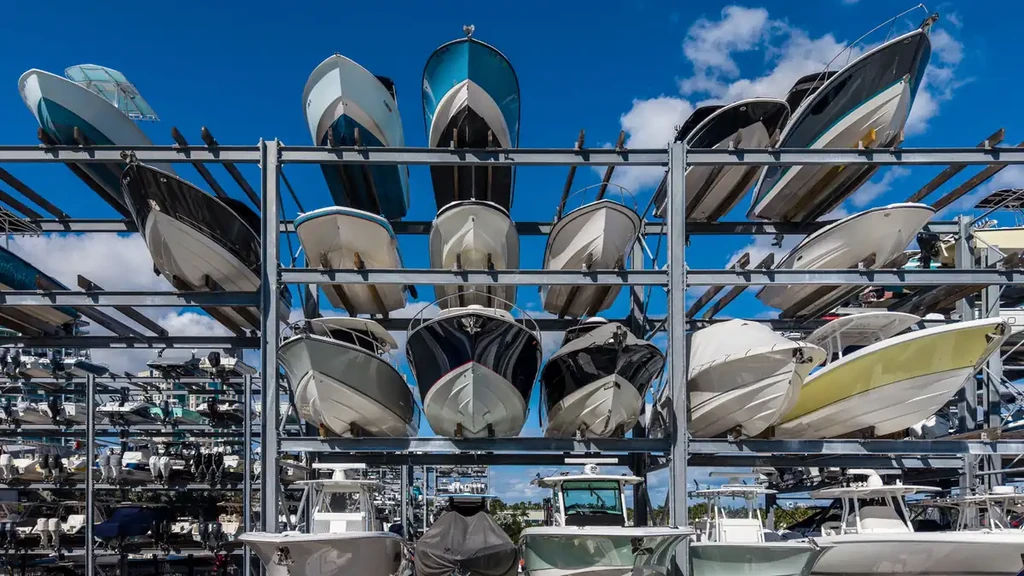
In an era of increased marine indulgence, boat storage has become a hot topic among boat enthusiasts all over the world. If you've ever found yourself debating between indoor and outdoor boat storage, this post will be your guiding compass. We'll dive into the deep waters of both options, unraveling the pros and cons of each to help you anchor down the best choice for your prized possession. Hang tight as we set sail on this educational voyage, because when it comes to safeguarding your maritime investment, there's no room for choppy decisions.
Indoor Boat Storage Pros
When it comes to storing your boat during the winter months, indoor storage offers a range of advantages that can provide peace of mind and ensure the longevity of your vessel. Let's explore some of the pros of indoor boat storage.
Protection from Hazardous Conditions
One significant advantage of indoor boat storage is the protection it offers from hazardous conditions. Harsh weather elements such as snowstorms, heavy rain, extreme temperatures, and strong winds can wreak havoc on a boat left outdoors. However, when stored indoors, your boat is shielded from these damaging conditions. This protection helps to prevent potential water damage, ice buildup, or structural issues that can arise from prolonged exposure to adverse weather.
Another aspect to consider when it comes to protecting your boat is potential damage or theft from others. Unfortunately, leaving your boat outdoors leaves it vulnerable to various risks. Vandalism, thefts, or accidental damages inflicted by other people can occur when boats are stored in open areas without proper security measures in place. Indoor storage facilities often have enhanced security features such as surveillance cameras, gated access control systems, and personnel monitoring the premises. These measures significantly reduce the risk of unauthorized access and provide added peace of mind for boat owners.
Reduced Risk of Damage and Theft
Indoor boat storage goes beyond protecting your vessel from unpredictable weather conditions. It also safeguards against various hazardous factors that can potentially harm your boat. Let's take a closer look at some of these hazards and how indoor storage mitigates them.
During winter, freezing temperatures pose a significant threat to boats left outdoors. When water freezes inside different components of the boat, it expands, potentially causing cracks and damage to the engine block, exhaust manifolds, plumbing systems, or other vulnerable areas. However, by storing your boat indoors in a temperature-controlled environment, you minimize this risk. The controlled temperature prevents freezing and keeps the materials of your boat protected.
In addition to freezing temperatures, heavy snowfall is another concern for outdoor boat storage. Accumulated snow on the vessel can add excess weight and strain to its structure. This extra weight may lead to compromised integrity or even collapse in extreme cases. By choosing indoor storage, you eliminate this risk entirely, as there's no exposure to heavy snowfall, ensuring that your boat retains its structural stability.
Moreover, when stored indoors, your boat is shielded from detrimental effects caused by prolonged exposure to sunlight. The UV rays from the sun can fade paint and deteriorate various materials over time. Additionally, continuous exposure to sunlight can cause cracking and warping in certain parts of the boat, such as vinyl seats or wood accents. Indoor storage prevents these damaging effects and helps maintain the aesthetic appeal and longevity of your boat.
Lastly, indoor storage protects your vessel from significant wind damage. High winds during storms can cause boats to sway or get knocked against numerous objects, increasing the risk of dents, scratches, or even structural damage. By storing your boat indoors, you eliminate this potential threat and keep it safe from wind-related accidents.
Outdoor Boat Storage Pros
When it comes to storing your boat, one of the primary concerns is ensuring its safety and protection from potential damage or theft. Indoor boat storage provides an excellent solution to address these concerns and offers a reduced risk of both damage and theft compared to outdoor storage options.
Understandably, leaving your boat outdoors exposes it to harsh weather conditions such as rain, snow, UV rays, and strong winds. These elements can cause significant damage over time, including fading of paint and upholstery, water intrusion leading to mold growth, and even structural issues. Additionally, extreme temperatures can affect the performance and longevity of various components, like the engine, batteries, and fuel system.
By opting for indoor storage, you shield your boat from these environmental hazards. The controlled environment inside a storage facility helps maintain stable temperature and humidity levels that are conducive to preserving the condition of your boat. This protection extends the lifespan of your boat's exterior and interior finishes while minimizing the risk of mechanical or electrical issues caused by temperature fluctuations.
Moreover, storing your boat indoors significantly reduces the chances of theft. Outdoor storage areas are often more accessible and visible to potential thieves compared to indoor facilities with enhanced security measures such as surveillance cameras, restricted access points, and secure fencing. By keeping your boat safely stored away from prying eyes in an indoor facility, you minimize the risk of it being targeted for theft or vandalism.
Increased Season-Long Storage Space
When it comes to boat storage, both budget and convenience are essential factors to consider. Outdoor storage options often prove to be the more budget-friendly choice for boat owners. Many marinas, boatyards, and even private individuals offer outdoor storage spaces at a lower cost compared to indoor storage facilities. This option allows boat owners to keep their vessels on their own property or choose a storage location that suits their preferences.
Moreover, outdoor storage provides convenience in terms of accessibility. Owners have easy access to their boats whenever they need them. Whether it's for maintenance, spontaneous trips, or simply checking on their vessel, there's no need to schedule appointments or worry about limited operating hours, as can be the case with some indoor storage facilities.
However, it's important to note that while outdoor storage is more budget-friendly and convenient, there are potential downsides as well. The exposure to harsh weather conditions, such as snowstorms or heavy rains, may pose risks to the boat's exterior. Additionally, there is always a possibility of damage caused by others, whether through accidental collisions or vandalism.
Indoor Boat Storage Cons
One of the primary benefits of choosing indoor boat storage is the increased season-long storage space it offers. Indoor facilities typically provide larger and more spacious areas dedicated solely to storing boats during the off-season. This means owners can comfortably store not only their boats but also any additional equipment, like trailers or water toys, in the same secure location.
This increased storage space allows boat owners to keep everything in one place, minimizing the hassle of finding separate storage solutions for different items. It also helps create a clutter-free environment, which can be especially useful for those who have limited outdoor space or live in areas where strict homeowner association regulations restrict boat storage on individual properties.
Furthermore, indoor storage protects boats from potential damage caused by outdoor elements such as snow, ice, wind, and UV rays. The enclosed environment shields the vessel from harsh weather conditions that could lead to paint fading, cracking, or corrosion. By keeping the boat indoors, owners can significantly prolong its lifespan and maintain its overall appearance and value.
Imagine a boat owner who invests a considerable amount of time and money in maintaining their boat's pristine condition. Storing it indoors eliminates worries about weather-related damages caused by unpredictable winter storms or prolonged exposure to sunlight during the summer months.
However, it's worth noting that indoor storage does come with a higher cost compared to outdoor options. The additional security features, climate control systems, and maintenance services provided by these facilities contribute to the increase in price.
Higher Cost and Accessibility Concerns
When it comes to boat storage, indoor options provide the ultimate protection for your vessel during the winter months. However, there are a few cons to consider before deciding on indoor storage.
One of the primary drawbacks of indoor boat storage is the higher cost compared to outdoor options. Since indoor storage facilities offer a controlled environment and protection from the elements, it's understandable that they come at a premium price. The cost can vary depending on factors such as location, facility amenities, and the size of your boat. Keep in mind that the larger your boat, the more expensive it may be to store it indoors.
For instance, let's say you have a 30-foot boat that requires indoor storage. You might be looking at spending several hundred dollars per month for this type of facility, which can add up over the duration of the winter season.
Another consideration when it comes to indoor boat storage is accessibility concerns. Unlike outdoor storage, where you can easily access your boat whenever you please, indoor facilities may have restrictions on when and how often you can access your vessel. Some facilities operate with limited hours or require advanced notice for access, which can be an inconvenience if you have frequent outings planned or need to perform maintenance on your boat.
It's worth noting that while accessibility may be restricted at times, many indoor storage facilities offer additional services such as boat maintenance and repair. This can be a convenience if you prefer having professionals take care of any necessary work on your boat while it's being stored.
Outdoor Boat Storage Cons
As mentioned earlier, one significant drawback of indoor boat storage is the higher cost compared to outdoor alternatives. The added protection from snow, ice, wind, and other elements comes at a price. However, the exact cost will vary depending on factors such as location, services offered, and the size of your boat. Consider your budget and weigh it against the level of protection you desire for your boat during the winter.
Let's say you have a larger boat and are looking to store it indoors throughout the winter season. You might need to allocate a significant portion of your budget to cover the higher cost of indoor storage.
Furthermore, accessibility concerns can arise with indoor boat storage. Some facilities may have limited operating hours or require prior notice for access. This can be inconvenient if you prefer having unrestricted access to your boat at all times or if you have spontaneous trips planned. It's important to inquire about the facility's access policies before committing to indoor storage.
However, it's important to note that many indoor storage facilities offer added services such as boat maintenance and repair. This convenience can make up for any accessibility limitations by providing professional care for your vessel while it's stored indoors.
Now that we've explored the cons of indoor boat storage, let's shift our focus to the potential drawbacks associated with outdoor boat storage options.
Exposure to Harsh Weather
When it comes to storing your boat, outdoor storage has its fair share of drawbacks. Let's explore some of the cons associated with outdoor boat storage, which we need to consider before making a decision.
Increased Risk of Accidental Damage
One significant disadvantage of outdoor boat storage is the exposure to harsh weather conditions. While some boats are designed to withstand elements like rain and sun, long-term exposure can take its toll. Let's take a closer look at some of the potential issues:
1. UV Damage: The sun's rays can cause significant damage to the exterior and interior components of your boat over time. Fading paint, cracking upholstery, and the deterioration of electronics are common consequences of prolonged exposure to ultraviolet (UV) radiation.
2. Freeze-Thaw Cycle: If you live in an area with cold winters, freezing temperatures can be particularly damaging to your boat. Water trapped in the hull or engine compartment can freeze and expand, leading to cracks and structural damage.
3. Moisture Damage: Outdoor storage exposes your boat to high humidity levels and rainwater accumulation. Over time, this moisture can seep into the boat, causing mold, mildew, and the rotting of wood surfaces.
4. Storm Risks: Exposing your boat to storms and severe weather events increases the risk of accidental damage due to falling debris or strong winds. It is essential to secure your boat properly during stormy weather, which requires additional time and effort.
By considering these factors, you can better evaluate whether outdoor storage is the right choice for your specific circumstances. Keep in mind that regular maintenance and protective measures like shrink-wrapping can mitigate some of these risks.
While outdoor storage may seem budget-friendly and allow owners to keep a visible eye on their boat, it's essential to weigh the potential risks and benefits before making a decision.
Ready to Decide? Get Advice from Our Boat Storage Team!
When it comes to choosing between indoor and outdoor boat storage, making the right decision is crucial. At StorageMax, our experts are here to guide you through the pros and cons of each option. We understand that the safety and well-being of your boat are of utmost importance.
Whether you're looking for protection from the elements, easy accessibility, or cost-effective solutions, our boat storage team can provide expert advice tailored to your specific needs. Ready to make the best choice for your boat?
Contact StorageMax today and empower your decision-making process.