Securing Your Investment: Boat Storage Security Measures
Navigating the high seas can be an exhilarating experience, but safeguarding your vessel in a storage facility when it's not in use is equally crucial. When it comes to maintaining the value and integrity of your beloved marine craft, boat storage security measures should rank high on your priority list.
This blog post will delve into the importance of effective protection methods for boat storage, providing you with top-notch guidance to prevent potential damage or theft. Let's set sail on this voyage of assurance, where we explore practical ways to secure and protect your seafaring investment. Dive into the depths of essential techniques and cutting-edge solutions that ensure your boat remains just as you left it until your next maritime adventure.
Securing Your Boat When Storing It Away
When it comes to storing your beloved boat, ensuring its security becomes a top priority. Implementing proper measures to safeguard your investment will not only protect it from theft or vandalism but also prolong its lifespan.
One crucial aspect of securing your boat is choosing the right storage facility. Look for indoor storage buildings or self-storage properties that offer the best protection against the weather and have security measures in place to deter theft or vandalism. These facilities often have features such as video surveillance, electronic gate access, and individual locks for added protection.
Before storing your boat, there are several steps you can take to ensure its security. Start by removing any valuable items or electronics from the boat. This includes personal belongings, electronics, and navigation systems. By doing so, you minimize the risk of them being stolen or damaged while in storage.
To further enhance security, consider locking all doors, hatches, and compartments on your boat. Even if it is stored in a secure facility, taking these extra precautions can provide peace of mind, knowing that unauthorized access is less likely.
Storing your boat in a well-lit area can help deter theft, as it becomes more challenging for individuals to operate unnoticed. Additionally, consider installing surveillance cameras on the premises to monitor any suspicious activity and protect your investment even further.
It's worth noting that investing in a high-quality, breathable cover for your boat when storing it outdoors is essential. A properly fitted cover not only protects against the elements but also acts as an additional barrier against potential theft. Be sure to use support poles to prevent water pooling on the cover and check periodically for any signs of damage that may compromise its effectiveness.
By taking these necessary security measures, you can rest assured knowing that your boat is well protected when stored away. Remember that the safety of your investment should always be a priority, and implementing these precautions will go a long way in safeguarding it.
Choosing the Right Storage Facilities
When it comes to choosing the right storage facility for your boat, there are several factors to consider. The type of storage option you select will depend on your specific needs and preferences.
One important consideration is whether you want indoor or outdoor storage. Indoor storage buildings offer the best protection from harsh weather conditions such as rain, snow, and extreme temperatures. They also offer better security features and reduce the risk of theft or vandalism. On the other hand, outdoor storage properties may be more affordable and suitable if you live in a mild climate with lower risks of severe weather.
Another option to consider is individual self-storage units. These units provide a dedicated space for your boat, ensuring its security and allowing easy access whenever needed. Many self-storage facilities offer flexible lease terms, making it convenient if you only require storage for certain periods.
If you prefer keeping your boat in the water, marina slips are available for rent. This option provides convenience and easy access to your boat while offering amenities such as electricity and water hookups. Marina slips are often located in secure areas with staff onsite to monitor activity.
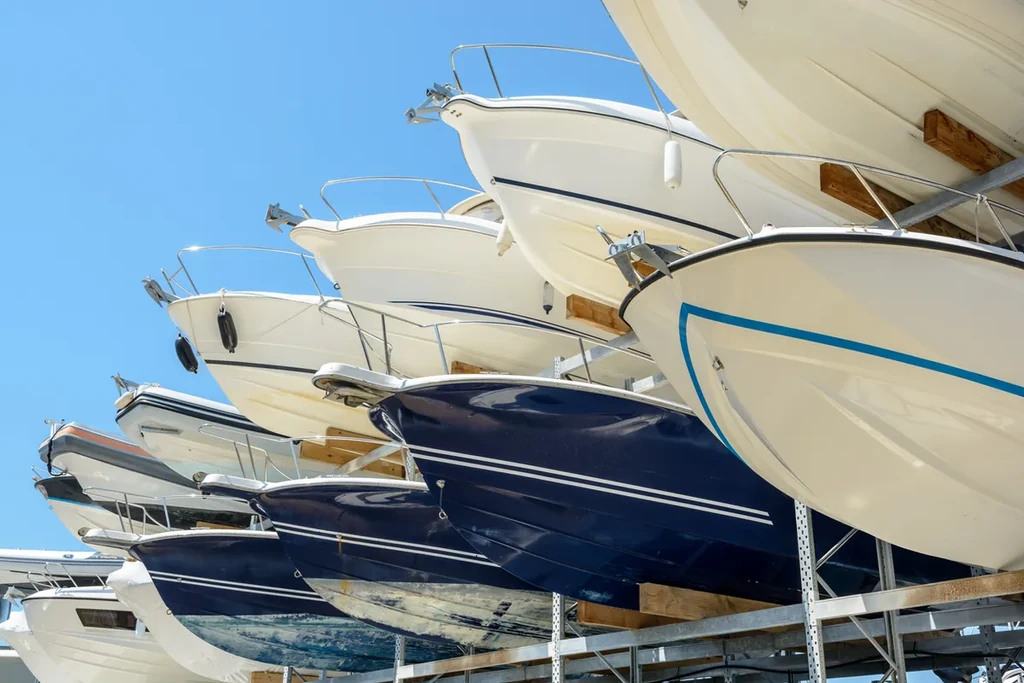
For smaller boats, dry-stack storage can be a viable option. This entails stacking boats on racks in a covered area, protecting them from the elements while maximizing space efficiency. Dry-stack facilities typically have security measures in place and offer easy retrieval of your boat when needed.
Lastly, storing your boat at home may be an option if you have the necessary space and permission from local regulations. While this option may offer proximity and convenience, ensure that you have adequate security measures, such as locked gates or surveillance cameras, to protect your investment.
Choosing the right storage facility depends on your specific needs, budget, and level of security required. Consider these factors carefully to find the option that best suits your boat storage needs and provides effective protection.
Identifying Crucial Security Measures
When it comes to safeguarding your valuable boat investment, identifying and implementing crucial security measures is of the utmost importance. By taking proactive steps, you can effectively deter theft and protect your vessel. Let's explore some key security measures that should be on your radar.
First and foremost, installing high-quality surveillance cameras can significantly enhance the security of your boat storage area. These cameras act as a deterrent and provide video evidence in case of any incidents. Opt for cameras with features such as night vision and motion detection for enhanced effectiveness. You may also consider investing in an NVR (network video recorder) to record and store footage for future reference.
Another vital measure is ensuring proper lighting around the boat storage facility. Well-lit areas not only discourage potential thieves but also increase visibility, making it easier to detect any suspicious activity. Additionally, motion sensor lights can serve as an extra layer of protection by triggering illumination when someone approaches your boat.
In addition to cameras and lighting, secure access control systems play a crucial role in protecting your boat investment. Implementing electronic gates with individual access codes or card readers adds an extra layer of security by restricting entry to authorized personnel only. These systems log entries and exits, enabling you to monitor who enters the premises.
Furthermore, utilizing physical barriers such as fencing around the storage area can act as a deterrent and prevent unauthorized access. By investing in sturdy fencing materials that are difficult to breach, you create an additional obstacle for potential thieves.
Remember, each boat storage location may have different needs, so it's important to conduct a thorough assessment of the specific security vulnerabilities of your chosen facility. Identifying these vulnerabilities will assist you in determining the most appropriate security measures to implement.
Now that we've discussed the importance of identifying crucial security measures, let's dive into the topic of deploying physical access control measures for optimal protection.
Deploying Physical Access Control Measures
Physical access control measures are key components of safeguarding your boat against theft and unauthorized access. By implementing these measures, you can establish strong barriers that deter potential intruders and protect your investment. Let's explore some effective ways to deploy physical access control measures.
One of the primary considerations is securing points of entry, such as gates and doors. Ensure that all gates are constructed with a sturdy material like steel and equipped with reliable locks. Consider using heavy-duty padlocks or high-security locks that are resistant to picking or cutting attempts. For added protection, install gate reinforcement plates to prevent forced entry.
Additionally, it's important to secure individual compartments and hatches on your boat. Use marine-grade locking mechanisms that provide robust security without compromising convenience or accessibility. Employing multiple locking points and reinforcing vulnerable areas will make it more challenging for thieves to gain access to valuable items stored in your boat.
Consider installing alarm systems on your boat as an additional layer of defense. These systems can detect any unauthorized entry attempts, triggering loud alarms and alerting you or a designated monitoring service. This not only scares off intruders but also attracts attention from nearby individuals who may be able to take action if necessary.
In addition to securing physical entry points, consider utilizing anti-theft devices such as wheel locks or trailer hitch locks if storing your boat on a trailer. These devices act as visible deterrents and make it extremely difficult for thieves to steal your boat or trailer. By immobilizing essential components like wheels or hitches, you create an additional obstacle that potential thieves must overcome.
Having explored the deployment of physical access control measures, it's clear that a layered approach is crucial to effectively safeguarding your boat investment.
Securing the Vessel with Locks and Keys
When it comes to safeguarding your investment, securing your vessel with locks and keys is an essential line of defense against potential theft. While it may seem like a simple and obvious measure, choosing the right locks and employing effective strategies can make all the difference in deterring intruders.
One of the first steps in securing your boat is to invest in high-quality locks designed specifically for marine applications. These locks should be made from durable materials such as stainless steel or hardened alloy to withstand harsh marine conditions. Look for locks that are resistant to corrosion and tampering, providing an added layer of security.
Additionally, consider utilizing multiple types of locks for different access points on your boat. For example, a sturdy padlock can secure hatches and entry doors, while a cable lock can be used to secure valuable equipment or attach your boat to a secure dock. By using a combination of locks, you make it more challenging for would-be thieves to gain unauthorized access.
In addition to choosing suitable locks, employing smart key management practices is equally important. Keep track of who has access to the keys and regularly change passwords or codes if applicable. It's also advisable to keep sensitive information about keys confidential while maintaining spare sets securely stored offsite.
Remember that no matter how robust your locking mechanisms are, they are only effective if utilized consistently. Develop the habit of double-checking that all doors, hatches, and compartments are properly locked every time you leave your vessel unattended.
Now that we've explored the importance of securing your vessel with locks and keys, let's turn our attention to another crucial aspect of boat storage security: utilizing surveillance and alarm systems.
Utilizing Surveillance and Alarm Systems
In today's digital age, technology plays a significant role in enhancing security measures. Utilizing surveillance and alarm systems can provide an extra layer of protection for your boat, even when you're not physically present.
One effective option is to install security cameras strategically positioned around your boat storage area or mooring location. These cameras should have high-quality resolution and night vision capability, allowing for clear images day or night. Consider the viewing angle of the camera to cover a large area of the marina, and opt for PTZ (pan-tilt-zoom) cameras for wider coverage.
Connecting these cameras to a recording system not only helps deter potential thieves but also provides valuable evidence in the event of an incident. Look for systems that offer various recording options, such as SD card storage or continuous recording with a marine camera system.
To further enhance your boat's security, consider integrating an alarm system. This can include motion sensors placed in strategic locations on your vessel that will trigger an alert if any unauthorized movement is detected. Ensure these sensors are sensitive enough to detect human movement while minimizing false alarms triggered by natural elements like wind or waves.
Boat Security Matters: Seek Guidance from Our Storage Specialists!
When it comes to securing your valuable investment, such as your boat, safety is paramount. At StorageMax, we understand the significance of boat security measures. Our experts are dedicated to helping you protect your watercraft and ensure its well-being while in storage.
Whether you're looking for advanced surveillance, controlled access, or other security solutions, our boat storage security team is here to provide expert advice tailored to your specific needs.
Ready to secure your boat with peace of mind? Contact StorageMax today and empower your protection strategy.