Short-Term vs. Long-Term Storage Rentals
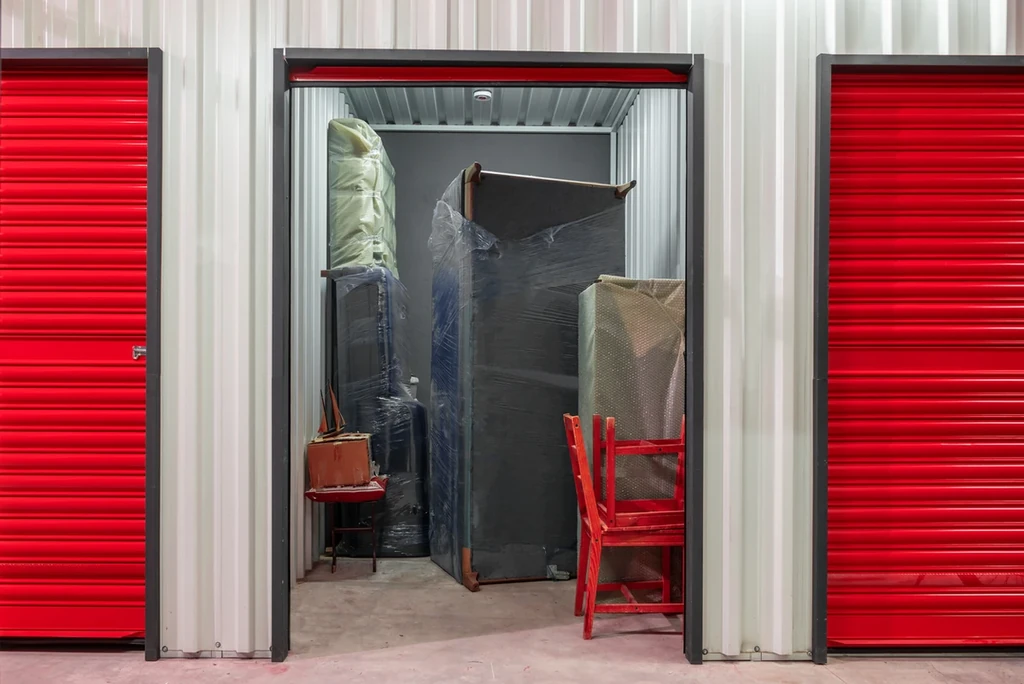
The contrast between short-term and long-term storage lies primarily in duration and flexibility. Often more expensive per week, flexible, short-term rentals suit abrupt storage needs like a sudden move or renovation. Contrarily, long-term rentals cater to enduring storage demands at a generally lower weekly price, albeit less adaptable. Read on to find out the advantages of short-term and long-term storage rentals.
Short-Term Storage Rentals: Pros and Cons
When it comes to short-term storage, there are definitely some great advantages. If you're in between homes, renovating, or going on an extended vacation, short-term storage can be a lifesaver. Let's start by examining the benefits.
Pros of Short-Term Storage
Short-term storage is like a temporary home for your belongings. It allows you to have a safe space for your things when you need them for a little while. The biggest advantage is the flexibility it offers. You can rent a space for just as long as you need it---whether that's a few weeks, a couple of months, or even just a day. This makes it perfect for students who need to store their belongings over the summer break or for someone who just needs storage for a brief period before moving to another home. It gives people peace of mind during transitional periods in their lives because they know their items are safe yet easily accessible.
Furthermore, short-term storage is great if you're in the middle of a renovation project. Your furniture and other items can be securely stored away while work is being done in your home. This ensures that your possessions stay protected from potential damage during construction, making it an invaluable convenience.
Cons of Short-Term Storage
Now, let's look at the not-so-great aspects of short-term storage. Cost is often the major drawback to short-term rentals. When you compare the monthly rates of short- and long-term rentals, short-term options can indeed be relatively more expensive on a month-to-month basis. This means that if you require storage for an extended period of time, the costs can add up quickly with shorter contracts.
Another downside is the logistical aspect---frequent moves in and out of the storage unit can be time-consuming and labor-intensive. Packing and unpacking multiple times within a short period of time can be both physically and mentally draining.
So, while short-term storage provides flexibility and convenience, there are certain trade-offs that come with it. It's important to carefully consider both the pros and cons before making a decision based on your specific needs and situation.
Now that we've weighed the advantages and disadvantages of short-term storage rentals, let's shift our focus to the critical topic of ensuring security in such transient storage spaces.
Security Measures in Short-Term Storage
When considering short-term storage solutions, the safety and security of your belongings should be a top priority. The good news is that many short-term storage facilities take security seriously and have a range of measures in place to protect your items.
One of the most common security features found in short-term storage facilities is surveillance. These cameras are strategically placed throughout the facility, allowing for continuous monitoring of activity and providing a deterrent to potential intruders. They not only help in preventing theft and vandalism but also assist in identifying any unauthorized individuals who might attempt to access the premises.
Furthermore, many short-term storage locations also employ on-site staff, whether it's security personnel or facility managers. Having trained personnel present significantly enhances the security level, as a physical presence ensures that someone is actively overseeing the premises and can respond quickly to any security incidents or concerns. This added layer of protection offers peace of mind to customers, knowing that there are individuals tasked with maintaining a secure environment for their stored items.
Individual unit locks are another key component of security measures in short-term storage facilities. Each storage unit is equipped with its own lock, providing an additional barrier to unauthorized access. High-quality locks serve as a deterrent against theft and unauthorized entry, bolstering the overall security of the facility and offering customers reassurance about the protection of their possessions.
In addition to surveillance cameras, on-site staff, and individual unit locks, gated access is a standard security feature in short-term storage facilities. Gated access systems often utilize electronic gate entry or keypad access, ensuring that only authorized individuals with unique access codes or keys can enter the premises. This controlled entry not only safeguards against unauthorized entry but also tracks individuals entering and exiting the facility.
It's important to note that these robust security measures are essential for maintaining the trust and confidence of customers utilizing short-term storage facilities. Customers are trusting these facilities to keep their belongings safe during their short-term storage needs, and effective security measures greatly contribute to establishing that trust.
These comprehensive security measures work together harmoniously to instill confidence in customers, reassuring them that their belongings are being safeguarded during their short-term storage period.
Long-Term Storage Rentals: Pros and Cons
Long-term storage offers a host of benefits that make it an attractive option for individuals and businesses. One major advantage is its cost-effectiveness over time. Many long-term storage providers offer discounted rates for extended leases, making it a sensible choice for those anticipating the need for extended storage.
Beyond financial benefits, long-term storage is well-suited for customers who require extended storage for seasonal items, such as holiday decorations or winter sports equipment. Moreover, businesses often utilize long-term storage for excess inventory or archives, taking advantage of the space and security offered by professional storage facilities.
Additionally, long-term storage proves beneficial for individuals with sentimental items that they may lack space for in their current living situation. By providing a secure and controlled environment, long-term facilities ensure that these cherished possessions remain intact and protected from potential damage.
Cons of Long-Term Storage
Despite the advantages, there are important considerations to weigh when opting for long-term storage. One notable concern is the commitment to a long-term contract, which may not align with the needs of individuals seeking temporary storage solutions. This could potentially lead to paying for unused space, creating an unnecessary financial burden.
Furthermore, over extended periods of time, maintaining possessions stored in these facilities becomes crucial. Climate control plays a pivotal role in preserving the integrity and condition of items, especially those susceptible to temperature and humidity fluctuations. Without proper maintenance and monitoring, there is the risk of damage or deterioration over time.
Long-term storage offers undeniable benefits in terms of cost-effectiveness and providing a secure space for seasonal or sentimental items. However, careful consideration must be given to factors such as contractual commitments and the necessity of climate control and maintenance to ensure a suitable long-term storage solution.
As we continue our exploration of storage solutions, let's delve into the flexibility offered by long-term units in accommodating your changing needs.
Highlighting Lease Flexibility in Long-Term Units
Long-term storage solutions offer a unique quality that provides customers with peace of mind: flexibility. When you commit to storing your belongings for extended periods, it's comforting to know that you have options available when your needs change.
One of the main appeals of long-term storage units is their ability to renegotiate lease terms. Life doesn't stand still, and neither do your storage needs. At times, you may realize that the unit you initially rented no longer suits your requirements. Whether it's because you need a larger unit or one with climate control, having the flexibility to adjust your lease allows you to cater to these changing needs without requiring an entirely new contract.
This adaptability is especially convenient for those who are unsure of their long-term storage needs. As circumstances evolve, having the option to upgrade or downsize offers a crucial layer of assurance.
Imagine starting with a smaller unit while decluttering your home before moving. After settling into your new residence, you may find yourself needing more space for seasonal items or extra furniture. Instead of being locked into a rigid agreement, the ability to scale up when necessary ensures that your belongings are always accommodated, reducing stress and simplifying your storage experience.
It's important to engage with storage facilities that prioritize lease flexibility, ensuring that changes can be made seamlessly and without excessive fees or penalties.
Providing this level of adaptability over extended time frames adds significant convenience for customers, allowing them to maintain their storage needs without disruptions or unnecessary financial strain.
Comparing Short-Term and Long-Term Storage Facilities
When seeking storage solutions for short-term or long-term needs, it's important to understand the differences between the two types of facilities.
Short-term storage facilities are tailored to meet temporary storage needs. They are usually located in urban areas or close to transport hubs, providing convenient access for individuals or businesses requiring a place to store belongings temporarily. These facilities prioritize accessibility and quick retrieval of items, making them ideal for those who need regular access to their stored items.
Conversely, long-term storage facilities are typically situated in less congested areas, offering ample space for larger units and parking. These locations cater to individuals or businesses with extended storage requirements, providing a secure and spacious environment for items that won't be accessed frequently.
The security measures in long-term facilities are often robust, given the extended duration of storage contracts. Additionally, these facilities may offer options such as climate-controlled units and additional amenities to ensure the preservation of items over an extended period of time.
For instance, a family planning to store seasonal outdoor furniture during the winter months might opt for short-term storage closer to their urban residence. On the other hand, a construction company needing to store equipment during off-season periods could benefit from a long-term facility with ample space for heavy machinery.
Understanding the specific features and benefits of both short-term and long-term storage facilities can help you make an informed decision based on your unique storage requirements.
Now, let's delve deeper into comparing the pricing structures, options, and benefits of short-term and long-term storage units.
Identifying Benefits of Different Rental Lengths
Short-term storage rentals provide immediate solutions and flexibility. Whether you need a place to store your belongings during a move or while renovating your home, short-term rentals cater to your temporary needs with convenience and quick access. This allows you to have a dedicated space for your items without committing to a long-term contract, making it ideal for situations where you need flexibility and only anticipate needing storage for a short duration.
Now, let's delve into long-term rentals. Long-term storage options are particularly advantageous for those who require extended storage solutions. By committing to a longer rental period, customers often benefit from cost-effectiveness and stability. Instead of worrying about monthly renewals, long-term rentals offer peace of mind, knowing that your belongings have a secure home for an extended period without the hassle of frequently renewing rental agreements.
Moreover, long-term storage arrangements provide continuity and consistency. Whether you're decluttering your home and need long-term storage for items you want to keep but don't need immediate access to, or you're a business requiring additional space for inventory over an extended period, long-term rentals ensure that your items are securely stored and easily accessible when needed.
Each rental length offers distinct advantages, and understanding these benefits is critical in making an informed decision based on your specific storage requirements. Whether it's the immediacy and flexibility of short-term rentals or the cost-effectiveness and stability of long-term options, aligning your choice with your unique needs ensures that your items are securely stored while fulfilling your specific objectives.
Whether it's short-term or long-term storage, choosing the right rental length can make a significant difference in ensuring the safety and accessibility of your belongings. If you're ready to explore your storage options, please feel free to contact us at https://www.stomax.com/contact.