The Art of Efficient Self-Storage Packing
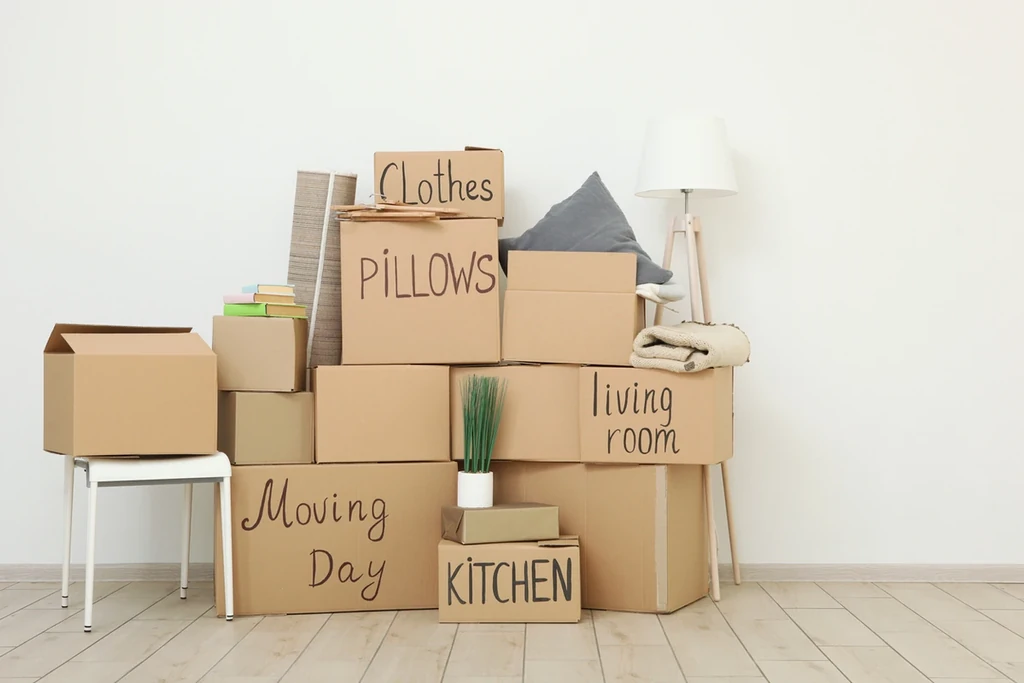
Imagine having your belongings fit perfectly inside a storage unit like a well-completed jigsaw puzzle, ultimately allowing you to save time, money, and space. Sounds ideal, right? This isn't a distant dream but an attainable reality. In this blog, we will emphasize the art of efficient self-storage packing with expert tips and tricks that will turn even the most cluttered mess into organized success. Get ready to harness your packing potential and unlock new levels of efficiency in storage packing that you never thought were possible!
Prioritize Your Packing List
When it comes to efficient self-storage packing, having a prioritized packing list is essential. Before you begin packing your belongings, take the time to assess and plan what items should be given priority. This will not only save you time but also make it easier to access the things you need when you visit your storage unit.
Start by categorizing your belongings based on their frequency of use. Identify the items that you frequently access or anticipate needing in the near future. These could be everyday essentials like kitchenware, clothing, toiletries, or important documents. By keeping these items easily accessible and near the front of your storage unit, you won't have to spend unnecessary time searching for them when needed.
Let's say you're storing seasonal decorations, such as holiday ornaments or Halloween costumes. Since you only need these items during specific times of the year, they can be considered infrequently accessed items. As a result, prioritize packing them in a way that allows for easy retrieval but doesn't impede access to frequently used items.
Now that we understand the importance of prioritizing our packing list, let's explore how we can identify frequently accessed items more effectively.
Identifying Frequently Accessed Items
Dealing with a self-storage unit often means managing a vast array of belongings while aiming for accessibility and efficiency. To identify your frequently accessed items accurately, start by considering your daily routines and individual needs.
Let's consider various scenarios: If you work from home and frequently require office supplies or important files, prioritize packing those items within easy reach at the front of your storage unit. On the other hand, if you are an outdoor enthusiast who regularly engages in activities like camping or skiing, ensure your equipment is easily accessible for spontaneous adventures.
Think about the last few months and recall what items you found yourself needing on a regular basis. Do you frequently use your bike, toolbox, or winter coats? By identifying these patterns and prioritizing the packing of corresponding items, you'll be able to save time and effort by accessing them effortlessly when required.
By taking the time to identify your frequently accessed items and understand their importance in your daily life, you'll be able to pack and organize your self-storage unit more efficiently. This not only saves you time and effort but also ensures that you can easily access the things you need without having to dig through piles of boxes.
Separating Seasonal or Infrequently Used Items
When it comes to efficient self-storage packing, one of the key strategies is to separate seasonal or infrequently used items from those that are regularly accessed. This allows for better organization and easier retrieval of belongings when needed.
Start by taking an inventory of all your items and categorizing them based on their frequency of use. For example, winter clothes, holiday decorations, or sporting equipment that you only use during specific seasons can be grouped together as seasonal items. On the other hand, everyday essentials and frequently used items should be kept separately for quick and easy access.
By separating out seasonal or infrequently used items, you can optimize the space in your storage unit. These items can be packed in boxes or containers labeled with their respective categories. This helps minimize the time spent searching for specific belongings when you need them.
Let's say you're packing for self-storage during the summer months. You might want to separate your bulky winter clothing and store it in vacuum-sealed bags to save space. Label the boxes clearly with \"Winter Clothes\" so that you can easily identify and retrieve them when the chilly weather returns.
Remember to consider the accessibility factor as well. Place items that you anticipate needing sooner towards the front of the storage unit, while those that won't be needed for a while can be stored towards the back or on higher shelves.
By separating seasonal or infrequently used items, you will not only have a more organized storage unit but also a more efficient one where you can easily locate and retrieve specific belongings when necessary.
Now that we've covered the importance of separating seasonal or infrequently used items, let's move on to creating an effective storage layout to ensure maximum utilization of space in your self-storage unit.
Create an Effective Storage Layout
When it comes to utilizing self-storage space effectively, creating an organized and efficient storage layout is crucial. By utilizing the available space wisely, you can optimize storage capacity and make it easier to access your belongings when needed.
First, start by stacking items vertically to maximize vertical space. This technique not only creates more room but also allows for clear pathways and easy access to items stored towards the back. Larger items, such as furniture or appliances, can be placed towards the back or sides of the unit, while smaller boxes or containers can be stacked on top.
Another tip is to use boxes of various sizes to optimize space. Larger boxes can be used for lighter, less fragile items, while smaller boxes are ideal for heavier or more delicate belongings. Avoid leaving empty gaps between stacked items; fill in these spaces with smaller items or even cushions or pillowcases to prevent shifting during transport or while in storage.
To further maximize storage space, utilize empty spaces within furniture. For example, place linens or clothing inside drawers or cabinets of dressers or armoires. Utilize every nook and cranny possible!
When disassembling larger items, such as bed frames or tables, make sure to keep all the necessary screws and bolts together in a labeled bag or container. This will make reassembly much easier when you eventually retrieve those items from storage.
Lastly, prioritize accessibility by placing frequently needed items near the front of the storage unit. This way, you won't have to dig through stacks of boxes to find what you need. Group similar items together and label each box clearly for easy identification and retrieval.
For instance, if you know you'll need camping gear for an upcoming trip, make sure it's readily accessible without having to move other items out of the way. Label the box \"Camping Gear\" and position it near the entrance for quick access.
By creating an effective storage layout that maximizes vertical space, uses various box sizes, utilizes empty spaces within furniture, and prioritizes accessibility, you can make the most of your self-storage unit and ensure efficient storage for all your belongings.
Using Boxes and Labels to Maximize Storage
Efficient packing is crucial when it comes to maximizing the use of a self-storage unit. By utilizing boxes and labels strategically, you can optimize your storage space and ensure easy access to your belongings.
Imagine you're packing up your kitchen items for storage. Instead of randomly placing them in a box, take the time to sort similar items together. Group all your pots and pans, utensils, dishes, and glassware separately. This not only makes packing more organized but also simplifies unpacking when you need to retrieve specific items later.
When selecting boxes for packing, consider using various sizes to accommodate different items. Larger boxes are ideal for bulky or lightweight belongings like bedding or clothes, while smaller boxes work well for fragile items such as dishes or electronics. Remember to reinforce the bottom of each box with packing tape to ensure it can withstand the weight of its contents.
Now that you have an idea of how to select the right boxes and organize your items within them, let's delve into the importance of labeling.
Labeling your boxes might seem like a trivial task, but it can make a world of difference when it comes to accessing your stored items efficiently. Clearly mark each box with its contents and any specific handling instructions.
As you pack your belongings into boxes, take note of any valuable or delicate items that require extra care during transport and storage. Consider using specialized packaging materials, such as bubble wrap or packing peanuts, to protect fragile items from potential damage.
To take labeling a step further, use color-coded labels or stickers to categorize different types of belongings. For example, use red labels for kitchen items, green labels for bedroom items, and blue labels for electronics. This simple visual cue allows you to quickly identify which boxes contain specific items without opening each one.
Additionally, don't forget to label which side of the box should face up to prevent mishandling and potential damage. This is especially important for fragile items that require specific orientation.
By utilizing boxes of various sizes and employing a strategic labeling system, you'll be able to maximize your storage space and easily locate your items when the time comes. These small efforts in organization can save you valuable time and frustration down the road.
Now that we've covered the importance of using boxes and labels for efficient self-storage packing, let's explore pre-packing organization strategies to further optimize your storage process.
Pre-Packing Organization Strategies
Before diving headfirst into packing your belongings for self-storage, taking the time for pre-packing organization can significantly streamline the entire process. Here are some key strategies to consider:
Plan and inventory your items: Before packing, create an inventory of all the items you plan to store. This not only helps you keep track of what needs to go into storage but also aids in determining the size and number of storage units required.
Maximize vertical space: When storing items, don't forget to make use of the vertical space in your storage unit. Stack boxes and belongings vertically to make the most efficient use of the available space.
Create clear walkways: Ensure you leave clear pathways within your storage unit for easy access to any box or item without having to move everything around. This prevents unnecessary frustration when retrieving stored belongings later on.
Utilize empty spaces within furniture: Make use of empty spaces within furniture items such as drawers, cabinets, or even appliances by storing smaller items inside them. This further maximizes your storage capacity while keeping your belongings protected.
Disassemble larger items if possible: If you have larger items like furniture or exercise equipment that can be disassembled, take advantage of this opportunity. Disassembling these items not only saves space but also makes them easier to transport and maneuver within the storage unit.
Protect and label your items: As mentioned earlier, using proper packaging materials like bubble wrap or packing peanuts is essential for protecting fragile items. Additionally, make sure to label these delicate items as \"fragile\" to prevent any accidental mishandling.
Prioritize accessibility: When packing your storage unit, place frequently needed items near the front for easy access. This way, you won't have to dig through multiple boxes to find something you frequently use.
Use uniform storage containers: Opt for uniform storage containers whenever possible, as they are easier to stack and maximize space compared to irregularly shaped or mismatched containers.
Leave space for ventilation: Proper airflow is crucial in preventing moisture buildup within your storage unit. Leave small gaps between boxes and walls to ensure adequate ventilation and reduce the chances of mold or mildew damage.
By implementing these pre-packing strategies, you'll be able to pack your self-storage unit more efficiently, maintain easy access to your belongings, and ensure their safe and secure storage.
Secure Your Belongings with StorageMax - Your Trusted Storage Partner!
Secure your belongings with StorageMax, where your items are not just stored; they're safeguarded. Our state-of-the-art facility offers secure and reliable storage solutions to meet your needs.
Whether you're storing household items, business inventory, or cherished belongings, StorageMax provides the peace of mind you deserve. Our commitment to security, accessibility, and customer satisfaction makes us the trusted choice for storage solutions. Ready to secure your space? Contact StorageMAX today.