How to Choose the Best Storage Unit for Your Needs
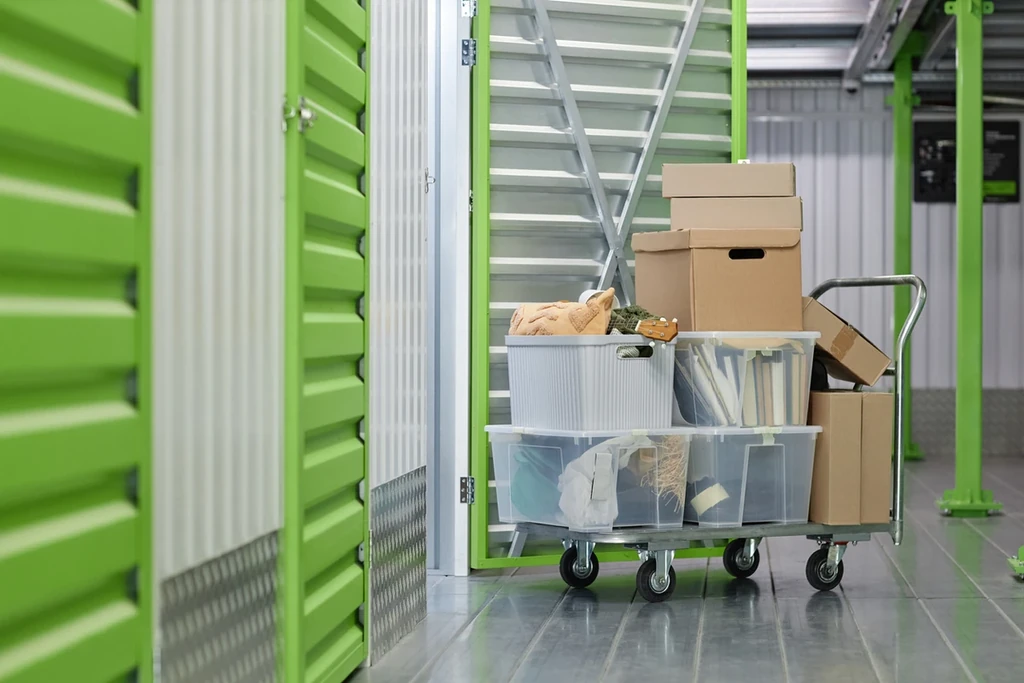
Are you finding yourself overwhelmed with stuff and don't know where to put it? Whether you're downsizing, relocating, or simply decluttering, a safe, accessible, and affordable storage unit could be your saving grace. But how do you choose the right one from the myriad options out there? In this blog post, we will navigate through the complexities of self-storage solutions and provide insightful tips on choosing the perfect unit for your specific needs. We'll also explore what kind of facilities you should prioritize to ensure that your possessions stay safe and sound. Welcome to smarter storage decisions tailored just for you!
Evaluating Location and Accessibility of Self-Storage Units
When it comes to choosing the best self-storage unit for your needs, one of the critical factors to consider is the location and accessibility of the facility. After all, you want a storage unit that is conveniently located and easily accessible whenever you need to retrieve or deposit your belongings.
Begin by assessing the distance between your home, workplace, or any other place that you frequently visit and the storage facility. Opting for a storage unit that is close to your regular routes can save you time and effort in accessing your belongings. Additionally, having a nearby storage unit allows for more flexibility in managing your stored items.
For instance, imagine you live in the heart of the city, and your chosen storage facility is located just a few minutes away from your apartment. This proximity would make it convenient for you to drop off or pick up items whenever needed without going out of your way or adding extra travel time to your routine.
Next, consider whether the storage facility's hours of operation align with your schedule. Some storage facilities may have limited access hours, while others offer 24/7 access. Evaluate your own needs and determine if there are specific times when you're most likely to require access to your stored items.
Proximity and Convenience
Proximity and convenience go hand in hand when evaluating self-storage units. The closer the storage facility is to your daily routine and activities, the more convenient it will be for you to manage your stored belongings efficiently.
Think of proximity as having a trusted friend who lives just around the corner---someone who can readily lend a helping hand whenever you need it. Similarly, a nearby storage unit provides convenience by reducing travel time and making it easier for you to access your items.
Convenience also extends beyond just location; it involves considering other essential aspects such as the layout of the facility, availability of parking spaces, and accessibility to the storage units themselves. Look for facilities that offer wide driveways and well-maintained aisles within the storage complex. This ensures smooth navigation and minimizes any potential hassles when moving your belongings in or out.
For instance, imagine you're storing larger furniture or equipment. Having a storage facility with spacious hallways and ample space around the storage units would make it much more convenient for you to maneuver and transport your items safely.
Ultimately, evaluating the location and accessibility of self-storage units is crucial to determining how easy and convenient it will be for you to manage your stored items. By considering proximity, access hours, facility layout, and other conveniences offered by different storage facilities, you can find the perfect match that aligns with your needs.
Storage Access Hours
When choosing a self-storage unit, one essential factor to consider is the storage access hours provided by the facility. Access hours refer to the times during which customers can enter and retrieve their belongings from their storage units. This is an important consideration as it determines your convenience and flexibility in accessing your stored items.
It's vital to check the facility's access hours before making a decision. Some storage facilities offer 24/7 access, allowing you to visit your unit at any time of day or night. This level of access is beneficial if you anticipate needing frequent or irregular access to your belongings.
On the other hand, many storage facilities have specific operating hours during which customers can access their units. These hours are typically within a range, such as between 6:00 a.m. and 10:00 p.m. While this may seem restrictive compared to 24/7 access, it can still provide ample flexibility for most people's needs.
Consider your schedule and how often you expect to visit your storage unit when evaluating different access hour options. For example, if you work regular office hours and only plan to visit on weekends or evenings, a facility with extended weekday and weekend access could be sufficient. However, if you have an unpredictable schedule or anticipate needing spontaneous access to your belongings, then a facility offering 24/7 access might better suit your needs.
Additionally, some facilities may require prior notice or appointments for after-hours entry. Make sure to inquire about any additional requirements or restrictions related to access hours during your research and discussions with storage facility staff.
Let's say you're a college student looking for a self-storage unit near campus to store your belongings over summer break. In this case, it may be crucial for you to choose a facility with extended evening and weekend access, as it aligns with your schedule when you have more availability.
By considering storage access hours, you can ensure that the facility you choose accommodates your lifestyle and provides convenient access to your stored items when you need them.
Now that we understand the importance of storage access hours, let's explore the different types and sizes of self-storage units available to cater to various storage needs.
Deciding on What to Store in Your Self-Storage Unit
Now that you have an understanding of the different unit sizes available, it's time to decide what items you should store in your self-storage unit. The beauty of self-storage is its versatility; it can accommodate a wide range of items based on your unique needs.
Here are some examples of suitable items for storage:
Seasonal Items: Clothing, holiday decorations, sporting equipment, or outdoor furniture that you only need during specific times of the year can be safely stored away until they're needed again.
Moving Transition: If you're in the process of moving homes and need temporary storage for furniture, appliances, or other household goods, a self-storage unit provides a secure and convenient solution.
Clutter and Organization: If your home or office is becoming cluttered by possessions that aren't regularly used but still hold value, a self-storage unit can provide extra space to keep them out of the way while maintaining easy access when needed.
Renovation Projects: During home renovations, storing valuable furniture and possessions in a self-storage unit protects them from potential damage and allows for easy access once the project is complete.
Business Storage: Self-storage is not limited to personal use; it can also provide a cost-effective solution for businesses needing to store excess inventory, documents, or equipment.
For instance, let's say you're downsizing from a larger home to a smaller apartment. You might choose to store extra furniture pieces that don't fit in your new space but hold sentimental value or can be used in the future. This way, you free up room in your new home without parting with treasured items.
Ultimately, what you decide to store in your self-storage unit will depend on your personal circumstances and needs. By carefully assessing your belongings and considering factors such as value, frequency of use, and space limitations at home or work, you can make informed decisions about what items are best suited for storage.
Suitable Items for Storage
When considering renting a self-storage unit, it's crucial to determine which items are suitable for storage and which ones are not. While the possibilities may seem endless, there are certain categories of items that are commonly stored in self-storage units. Let's explore these categories to help you make an informed decision.
Furniture: Self-storage units are excellent for storing furniture such as beds, sofas, tables, and chairs. These bulky items can take up significant space in your home or apartment, so utilizing a storage unit can declutter your living space while keeping your furniture safe and protected.
Seasonal Items: If you have seasonal items like holiday decorations, winter sports equipment, or summer camping gear that are only used during certain times of the year, a self-storage unit is an ideal solution. It keeps these items organized and out of the way when not in use, freeing up valuable space in your home.
Business Inventory/Archives: For business owners, self-storage units can be a cost-effective solution for storing inventory or archives. Whether you have excess stock, important documents, or promotional materials that require additional storage space, a storage unit can help keep your business organized and clutter-free.
Vehicles: Some self-storage facilities offer vehicle storage options for cars, motorcycles, RVs, or boats. This is particularly useful if you have limited parking space at home or need a temporary storage solution while you're not using your vehicle.
By considering these categories, you can determine which items would benefit from being stored in a self-storage unit. Keep in mind that certain items may have specific requirements, such as climate-controlled units for delicate items like artwork or wine collections. Evaluate your needs thoroughly to make the most appropriate choice for your belongings.
Pricing and Rental Period Considerations
When searching for the best self-storage unit for your needs, it's essential to consider pricing and rental period factors. Understanding these considerations can help you find a unit that fits within your budget and aligns with the duration of your storage requirements. Let's delve deeper into these aspects.
Pricing Factors: The cost of renting a self-storage unit can vary based on several factors. These include the size of the unit, its location (urban facilities tend to be pricier than rural ones), and the amenities provided (such as climate control). Consider how much space you need and your budget when selecting the right unit.
Rental Period Considerations: The length of time you plan to store your belongings is another important factor. Some facilities offer flexible month-to-month options, while others may require longer lease commitments. Consider your storage needs and future plans to ensure that the rental period aligns with your requirements.
It's also crucial to review the terms and conditions of the rental agreement carefully. Be aware of any hidden fees, insurance requirements, or late payment charges that could impact the overall cost and your experience with the facility.
Remember, renting a self-storage unit is an investment in the safety and security of your belongings. Take the necessary time to explore various facilities, compare prices and terms, and select one that not only fits within your budget but also provides peace of mind throughout the rental period.
Secure Your Belongings: Choose the Right Self-Storage Unit Today!
At StorageMAX, we understand the importance of securing your belongings, and that's why we offer a range of self-storage units tailored to meet your unique needs. Our commitment to providing a safe and reliable storage solution starts with helping you choose the right unit for your items. Whether you're storing personal belongings, business inventory, or seasonal items, our secure and convenient storage facilities ensure your peace of mind. Take the first step toward a clutter-free and organized life---choose StorageMAX for all your self-storage needs.