Keeping Your Belongings Safe: Understanding Storage Unit Security Measures
Imagine your house as a museum, filled with priceless artifacts and cherished memories. Your garage is an overflowing treasure chest of keepsakes you just can't part with yet. Now, imagine a scenario where you're relocating or downsizing, and you suddenly have to decide which of these beloved items deserve to go into a safe place for temporary or long-term storage---a storage unit. Here's the catch! How do you ensure that your 'priceless museum' is secured in a storage facility? Fear not, because we are about to delve deep into understanding storage unit security measures to give you peace of mind by safeguarding your valuable possessions. Stay tuned as we unlock the secrets behind storage facility security, creating a fortress for your belongings. After all, isn't your peace of mind worth the excellent protection?
Understanding Storage Unit Security Measures
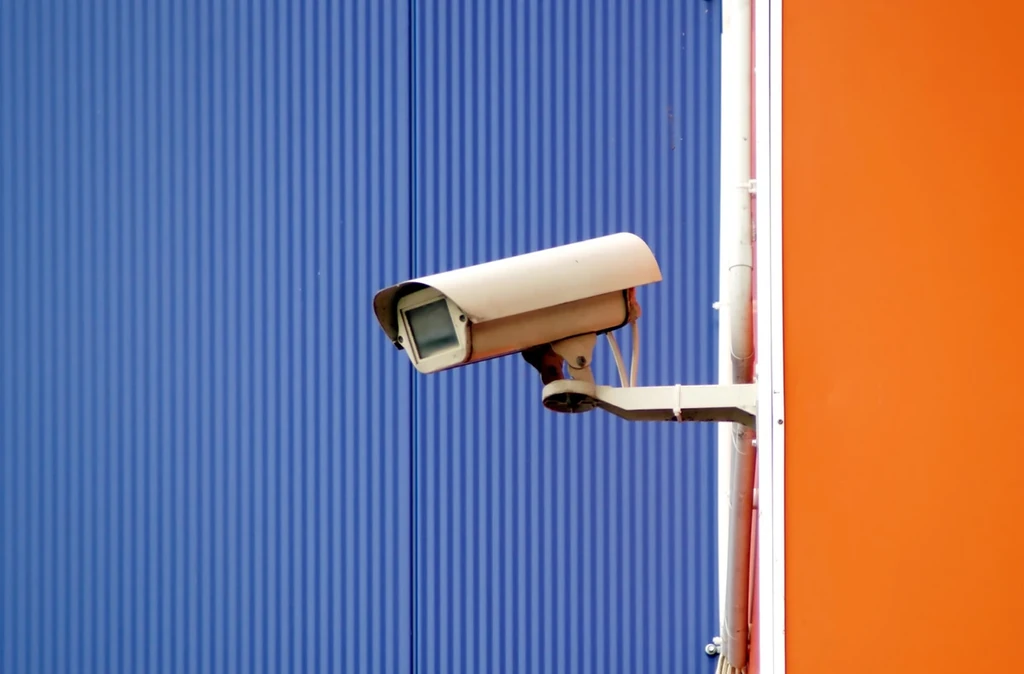
When it comes to storing our personal belongings, safety and security are of the utmost importance. It is crucial to understand the different security measures that storage unit facilities put in place to ensure the safety of your items.First and foremost, access control systems are one of the most common forms of storage unit security. These systems vary from traditional padlocks and keys to keyless smart entry locks. Popular examples of smart entry locks include keypad access, biometric scanning, and electronic card readers. These provide secure access to the facility as well as individual units.Security cameras are another essential security tool implemented in almost all storage unit facilities. CCTV (closed-circuit television) cameras can monitor activity on the premises 24/7, helping deter theft or damage to property. The footage recorded by these cameras is usually stored for a few weeks before being overwritten.In addition to access control systems and surveillance cameras, some high-security storage units have perimeter fencing and alarm systems that detect motion both inside and outside the building.Let's say you're looking for affordable storage space for unused household goods or business inventory. You do research online and come across a self-storage facility with 24/7 video surveillance, individually alarmed units, gated access, and well-lit surroundings. You would likely feel more comfortable storing your items at this facility compared to others without these security features.It is evident that secure entry points paired with reliable surveillance technology help prevent unauthorized persons from accessing the facility or individual units. These measures improve the overall safety of customers' possessions.However, some may argue that not every storage facility needs around-the-clock surveillance for each unit if there isn't valuable property stored in them. Although this may be true in some cases, it's always best to err on the side of caution since items vulnerable to damage or theft can still be in those less-monitored units.Think of storage unit security features like home security systems. Just like you would want to secure your home with locks, alarms, and cameras to keep intruders out, storage unit facilities implement similar measures to protect customers' valuable items from would-be thieves.
Access Control and Surveillance Systems
When it comes to access control, traditional padlocks and keys were once the best options for securing a unit. Today, smart entry locking systems are superior alternatives. Smart entry locks include programmable keypads that allow access only with the use of a personalized code or biometric scanning equipment that recognizes fingerprints.Smart entry locks help eliminate the possibility of lost or stolen keys and increase convenience by eliminating the need for customers to carry them around regularly. They can also monitor who enters each unit, making it easier for management to track activity should any issues arise.In addition to access control, most storage units also implement several layers of surveillance technology. The most common types of cameras utilized by storage units are CCTV (closed-circuit television) cameras. These cameras are strategically placed on-site to monitor all activities within the premises, including the comings and goings of customers and their vehicles.Some facilities have motion detectors or infrared sensors installed in addition to CCTV cameras that trigger an alarm system when unusual activity is detected. The alarms alert staff on-site or monitoring personnel off-site, who can then respond accordingly.Let's say you're visiting your self-storage facility and notice unusual activity near one of the storage units, such as someone attempting to pry open the door with a tool. If the facility has an integrated audio system linked to their surveillance cameras, you could quickly notify property management over the intercom to investigate or respond to the situation.Security measures are instrumental in ensuring that customers' possessions are safe and secure while stored in a storage unit. Access controls and surveillance technologies integrated into data-driven systems deter criminal activity, human errors, or other hazards to the customer's property.Critics of these high-tech security features argue that implementing such measures can be costly and unnecessary. However, the consequences of not having them cannot be underestimated. Without these tools, thefts might go unnoticed by anyone until it is too late.Securing your storage unit with smart entry locks and CCTV cameras could be compared to protecting a high-value business asset prudently. Implementing high-tech security measures in storage units gathers critical information that management personnel need to react quickly to an incident.
Different Types of Locks and Their Benefits
When it comes to storage unit security, choosing the right lock is crucial. Not all locks are created equal, and some offer better protection than others. Here are the different types of locks commonly used in storage units and their benefits:Padlocks - A padlock is a classic option for securing your storage unit. It is affordable, easily replaceable, and comes in different sizes and materials. It can also be keyed or combination-based. However, some disadvantages include being susceptible to bolt cutter attacks or pry bar breaches.Disc Locks - Disc locks are known for their high security features. These locks are round-shaped, made of sturdy steel, and often have a shrouded design to prevent bolt cutter attacks. They are also difficult to pick due to their tight keyway. However, disc locks may have a slightly higher price point than other options.Combination Locks - Combination locks don't require keys and prioritize convenience over security in most cases. They come in two variants: mechanical and digital combination locks. Digital combination locks offer added protection against lockpicking techniques compared to mechanical ones but can be vulnerable to hackers.Cylinder Locks - Cylinder locks resemble the type of lock found on your front door at home or work. They are drill-resistant and easy to replace if damaged, but they tend to be pricier than traditional padlocks.Now that we've covered different types of locks commonly used in storage units, let's move on to the importance of insuring your personal items with insurance.
Ensuring Your Personal Items with Insurance
Choosing a secure lock for your storage unit provides an additional layer of protection against theft or damage, but insurance coverage for personal items stored in a facility may seem unnecessary at first glance. However, obtaining adequate insurance can minimize the financial loss in the event of costly property damage or theft.Storage unit facilities often require customers to have insurance. Some homeowner's or renter's policies may provide coverage for items in storage, but it's best to double-check with your insurer if your policy extends to off-site locations. Self-storage insurance is also an option offered by many facilities directly. It provides coverage for natural disasters, theft, pest infestations, and other unexpected situations.In most cases, the coverage provided by a storage facility's insurance policy is limited to certain circumstances, making commercial self-storage policies preferable. With a commercial self-storage insurance policy, additional coverage extensions may also be available, such as international coverage, mechanical breakdowns for climate control units, mold and fungus coverage, etc.However, it should also be noted that while storage unit insurance minimizes the homeowners' or renters' exposure to financial loss due to damage or theft, it cannot replace sentimental value or collectibles' worth. For example, antiques or jewelry passed down from family members likely cannot achieve at least a commensurate replacement value should something happen.Think of storage insurance like car insurance. You hope you never get into an accident or have your car stolen, but you will still purchase insurance just in case. Likewise, you don't want to face losses due to unforeseen events like fires or floods that can potentially damage everything stored in your storage unit. With storage unit insurance coverage, you can have peace of mind knowing that your personal property is protected.While locks are an essential aspect of securing your belongings in a storage unit facility, having adequate coverage through storage insurance is equally critical. In the next section, we'll discuss how on-site management plays a significant role when it comes to security.
What Does Storage Insurance Cover?
When it comes to renting a storage unit, there are often an array of insurance options available. Storage insurance covers your belongings within the rented storage unit in the event of unpredictable circumstances such as theft or damage due to natural disasters. As a storage facility owner, you can require your tenants to have insurance, or the customer may choose to purchase their own policy.For example, if you have valuable items that you want to store, it is always advisable to insure your belongings by taking out a storage insurance policy. Such items might include important family documents, jewelry, or even vehicles kept in long-term storage, like boats and RVs. This will provide you with peace of mind, knowing that even if the unthinkable were to happen, you are protected.However, before purchasing a storage insurance policy, it's crucial to check whether your renters' or homeowners' insurance policy covers offsite storage. Often times, these policies already include coverage for personal property that includes items stored off-site. It's essential to verify any policies thoroughly so you don't pay extra premiums for redundant coverage.Some skeptics argue that storage insurance policies are only worthwhile if there is no existing policy that already covers your belongings. Also, the cost of monthly premiums can vary from one insurer to another. In some cases, adding extra coverage may not be worth the price tag.Another way of thinking about it is similar to car insurance: no one ever hopes for a car accident but is relieved they have auto insurance when one occurs. Though no one wants something bad to happen to their valuables kept in long-term storage, having storage insurance provides peace of mind if some catastrophic event ever were to occur.Now that we understand the importance of insurance, Let's take a closer look at how onsite management, including facility managers and staff, can greatly enhance storage unit security.
Importance of On-Site Management for Security
Onsite management is an essential aspect of maintaining a secure storage facility. Having a trained manager or overseer present at the facility can help reduce the risk of theft, damage to customer items, and unauthorized entry into units.For example, having someone monitor activities on-site during business hours makes it possible to respond quickly to any unusual activity. It is much more challenging to detect suspicious behavior without onsite management since there may be several different tenants accessing their storage units throughout any given day.Moreover, having onsite managers who make frequent rounds throughout the day helps strengthen security measures - this makes surveillance cameras more effective because they more logically watch over the property than record everything that's happening.Another way to think about management's importance in storage facilities is by drawing from banking: banks only succeed because of their highly secure nature. This means keeping watch on everybody that enters and exits requires tight control over personnel entry and exit monitoring and account data protection. Onsite managers serve as reliable security measures, keeping things safe and under their thumb.Some people argue that there is little point in having onsite management 24/7 because it can be ineffective (and costly) in deterring theft, particularly if an employee compromises security access. However, it's worth noting that with excellent training and supervision by the upper management team, there can always be eyes watching over critical elements within the site space.Next, we'll turn our attention to emerging technologies impacting the self-storage industry and enhancing the traditional security measures already in place.
Role of Storage Unit Managers in Security
When it comes to keeping your belongings safe and sound, the role of storage unit managers cannot be overstated. These professionals hold an immense responsibility to ensure that their facility is equipped with all the necessary security measures to keep their customers' items secure.Assuming that you have carefully chosen a reputable storage facility, you should expect to receive more than just a clean and well-lit storage unit for your possessions. You can also count on the expertise of the management team to guide you through safety protocols, answer any questions you may have about unit access, and ensure that all aspects of security are fully operational.For instance, suppose there is a suspicious vehicle parked at an odd angle near your unit. In that case, if you alert the management team, they could investigate it and potentially prevent a theft from occurring.In addition to being watchful for suspicious behavior and unauthorized access at all times, storage unit managers must keep themselves knowledgeable about the latest trends in terms of security measures.Some people may argue that hiring extra personnel as part of an on-site management team can cost businesses too much. However, having expertly trained staff is not something that should be overlooked or understated when it comes to securing a building filled with sensitive personal or business items.So, what are some examples of how facility management teams can enhance security for their customers?
Innovative Technology in Storage Unit Security Measures
Let's face it -- traditional padlocks are no longer enough to stave off robbers nowadays. Luckily, newer arrivals in the world of technology, such as smart entry locks and alarms, are revolutionizing security measures in self-storage facilities.First off, let's talk about keyless smart locks. These devices use wireless technology and allow access via a smartphone app or another mobile device with an Internet connection. This means you no longer have to worry about losing your key. Besides, smart locks do not have a keyhole that can be picked or tampered with by thieves.Another excellent benefit of smart locks is that they come with built-in alarms and notifications that will alert you when anyone tries to tamper with your unit. You can customize these alarms according to your preferences, perhaps opting for sound- or vibration-based alerts.Smart locks are like having a high-security vault in your pocket or a passcode-protected safe in your home.In addition to smart entry locks, sensor alarms are also emerging as must-have security features in most storage facilities. These alarms use motion sensors and can trigger if someone tries to break into your unit or move it without prior authorization.It is essential to scrutinize new security technologies to ensure their effectiveness before integrating them into storage units' security measures. Effective security protocols must work seamlessly together to offer the highest level of protection for you and your belongings.As technology continues to improve, self-storage facilities need forward-thinking approaches to keep their customers' items under lock and key.
The Rise of Smart Entry Locks and Alarms
As technology continues to advance, storage unit security measures evolve along with it. One such development is the rise of smart entry locks and alarms, which offer an added layer of protection for the valuables stored inside storage units.Smart entry locks, also known as keyless entry systems, are becoming increasingly popular among storage facilities. The traditional padlock and key system can be cumbersome and easy to bypass for determined criminals. Smart locks eliminate these concerns by allowing customers to access their unit through a keypad or mobile application on their smartphone. It also eliminates the need for physical keys altogether.Additionally, smart locks offer a higher level of security as they require unique codes or biometric identification to enter the storage unit. For example, voice or fingerprint recognition technology can be integrated into smart locks to ensure that only authorized users have access to the contents of any given storage unit.Some may argue that relying solely on digital access methods leaves customers vulnerable to hacking attempts and system malfunctions, but storage facilities have taken many precautions to mitigate these risks. For instance, most smart lock providers offer encryption and other protective measures that can safeguard against unauthorized access.Think of it in terms of banking technology: people have become comfortable using bank cards instead of cash because banks took precautionary measures to keep personal data secure. Similarly, smart locks provide peace of mind for customers who do not want to worry about potentially losing or misplacing padlock keys.Along with smart locks, many storage facility owners are discovering the usefulness of alarm systems that can alert staff members when motion detectors detect movement inside the units outside business hours. These alarms are essential because they help deter would-be burglars from entering and attempting thefts.Detractors may argue that alarms can be set off by animals or other unintended causes, leading to false alarms and unnecessary investigations. However, proper installation maintenance will eliminate this issue.In conclusion, the rise of smart lock and alarm technology enhances the security measures placed at storage unit facilities. Their advantages include being able to eliminate traditional key locks, offering unparalleled personalized access, and setting off alarms if someone tries to break in. With these modern locking systems and alarms, tenants can rest assured that their possessions are in good hands and protected while in storage.
Maintain High Security Standards: Schedule a Consultation with StorageMax
At StorageMax, we prioritize the safety and security of your belongings. When it comes to storing your valuable items, understanding storage unit security measures is crucial. By contacting us today and scheduling a consultation, you can gain comprehensive insight into the essential security measures we have in place.
During the consultation, our experts will guide you through the security features and protocols implemented at StorageMax. We will explain how our state-of-the-art surveillance systems, secure access controls, and robust security measures ensure the utmost protection for your stored belongings. Our commitment to maintaining high security standards means that you can have peace of mind knowing that your items are in a safe and secure environment.
At StorageMax, we understand that the security of your belongings is of the utmost importance. That's why we go above and beyond to ensure the highest level of protection within our storage facilities. Schedule a consultation with StorageMax today to learn more about our storage unit security measures and experience the peace of mind that comes with trusting your belongings to a secure and reliable storage solution.