When You Can Access Your Storage Unit
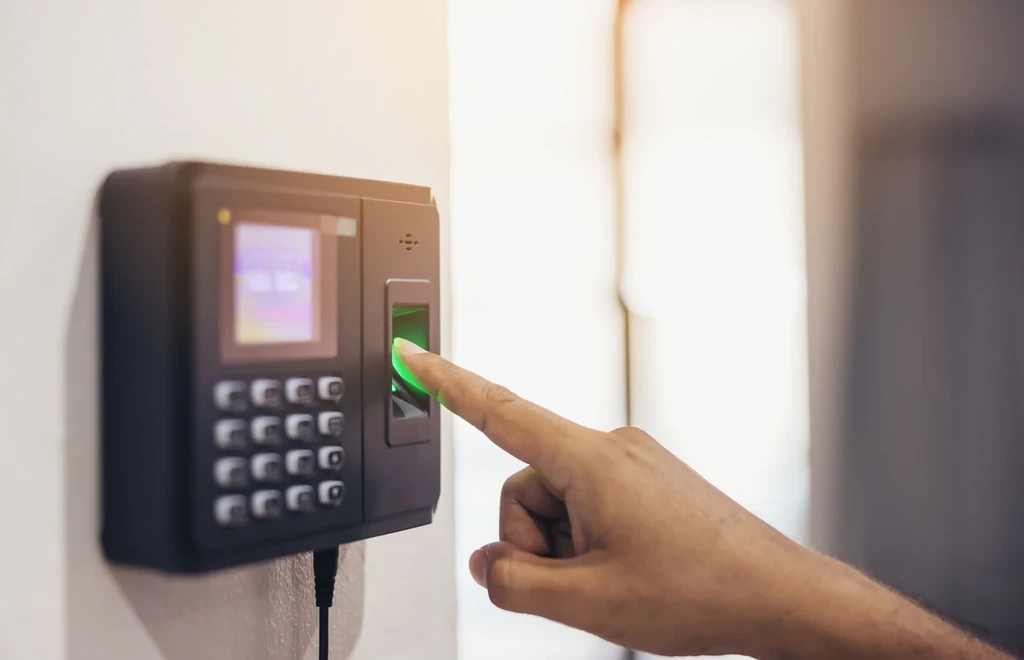
In the world of self-storage, not all units are created equal. Access hours, as well as storage space, to your personal unit can significantly impact your plans, especially when you need to reach your items in a pinch. Among the reasons to rent a storage unit, convenience is a huge factor; hence, understanding the ins and outs of access hours becomes critical. This insightful blog post will shed light on everything you should know about access times, help you navigate through possible restrictions, and ensure smooth sailing in your storage unit experience---all at a price relevant to the benefits offered.
Understanding Storage Access Hours
When renting a storage unit, it is crucial to not only look at the price but also have a clear understanding of the facility's access hours. Storage access hours refer to the specific times during which tenants are allowed to enter and retrieve their belongings from their rented units. Something to consider when drawing up your rent contract. These hours can vary significantly from one storage facility to another, depending on factors such as available space, location, security measures, and management protocols.
Access hours are designed to provide both convenience and storage space while also ensuring the security and smooth operation of the storage facility. It's important to note that access hours, much like the rental price or size of the space, may differ for different types of storage units within the same facility. For instance, outdoor drive-up access units might have extended hours for easy loading and unloading, while indoor climate-controlled units may have more restricted access due to additional security measures in place.
To give you an idea of what to expect when you draw up your rent contract, let's consider a hypothetical storage facility called SecureStorage. They have implemented access hours from 6:00 am to 10:00 pm, Monday through Sunday. This allows tenants ample time during the day to access their units and organize the space with their belongings at their convenience.
It's worth noting that not all storage facilities offer 24/7 access, a detail that could be a deciding factor in the contract. Choosing to rent from these facilities may affect the price. Some storage locations may have more limited hours due to staffing constraints or neighborhood regulations. Therefore, it's crucial to inquire about these details when considering a storage facility or negotiating your rental agreement.
Having understood the concept of storage access hours and considered the price you're willing to pay for such options, let's explore common availability scenarios during typical business hours.
Typical Business Hours Availability
The majority of storage facilities operate during typical business hours, which generally fall between 9:00 am and 6:00 pm from Monday to Saturday. During these hours, tenants have unrestricted access to their storage space.
This availability ensures that most individuals can visit their units before or after work or run errands during lunch breaks. It caters well to those who prefer accessing their storage items during regular business hours when staff members are present in case any assistance is required.
For instance, Jennifer, a working professional, utilizes her storage unit during typical business hours as it aligns with her schedule. She often stops by after work to drop off or pick up items without worrying about accessing the facility at odd hours.
However, it's crucial to note that specific locations may have slightly different business hours or be closed on certain days of the week, such as Sundays. Therefore, it's always advisable to check with the storage facility directly to confirm their operating hours.
Now that we've explored typical business hours availability, let's dive deeper into after-hour access options offered by some storage facilities for those who are willing to pay a higher price.One of the key considerations when renting a self-storage unit is the access hours offered by the facility. After all, you want to ensure that you can conveniently access your items, be they boats, RVs, or household belongings, whenever you need them. While many storage facilities operate during standard business hours, some offer extended or even 24-hour access to their storage spaces. Let's delve into useful information regarding the significance of after-hour access and why it may be beneficial for you.
After-Hour Access
Imagine this scenario: You're in the middle of a move and realize you've forgotten an important document or a piece of furniture at your self storage unit. Or perhaps, you need to access your stored RVs or boats. It's already late in the evening, and you're worried about not being able to retrieve what you need until the following day. This is where after-hour access becomes invaluable. With extended or 24-hour access, you have the flexibility to retrieve or store items on your own schedule, regardless of whether it's early in the morning or late at night.
At Storage Max Self Storage, we understand that life doesn't always conform to traditional business hours. That's why we offer our customers 24/7 access to their storage units, RVs, and boats, aside from providing adequate spaces. We believe that your convenience should never be compromised when it comes to accessing your belongings.
When it comes to storing your valuable possessions in self-storage units, security is paramount. Storage facilities employ a range of security features to protect their customers' belongings, especially during after-hours access periods when there may be fewer staff members present. Here are some common security measures implemented by reputable storage facilities:
Accessing your Storage Unit: Security Measures
High-Quality Surveillance Systems: State-of-the-art surveillance cameras are strategically placed throughout the facility to monitor activity and deter potential unauthorized entry.
Secure Perimeter Fencing and Gated Access: To control who enters the premises, storage facilities often have secure fencing around the property and require personalized gate access codes or key cards for entry.
Well-Lit Areas: Adequate lighting is crucial to ensure visibility and deter potential criminal activity during after-hours access.
Individual Unit Locks: Each storage unit, with its spaces brimming with your belongings, including RVs and boats, is equipped with its own lock, ensuring that only you have access to your belongings.
Alarms and Monitoring Systems: Some facilities have advanced alarm systems that are triggered by unauthorized entry attempts. These alarms can alert both on-site staff and security companies to respond promptly.
Your belongings' safety is our utmost priority at Storage Max Self Storage. We have implemented a comprehensive security system that includes round-the-clock video surveillance, top-quality locks for each unit, additional spaces, and well-maintained lighting throughout our facility. You can rest assured that your items will be protected at all times.
When it comes to accessing your self-storage unit, safety should always be a top priority. Self-storage facilities understand the importance of safeguarding your belongings and take several precautions to ensure a secure environment. With these, they not only give space value but also provide various storage spaces to suit the needs of their customers, whether they need to store personal or commercial items.
Firstly, many storage facilities have robust security systems in place, providing a sense of being shielded even amid a bustling city. This can include features such as gated access with unique entry codes or electronic key cards, surveillance cameras throughout the premises, and well-lit areas to deter potential intruders. Often, discounts are given for longer rentals or for renting larger storage spaces, which can help accommodate your budget.
Safety Precautions in Place
It's also common for self-storage facilities to have onsite staff or management present during business hours. These individuals can monitor activities, assist with any inquiries or concerns, and help maintain a secure environment. Their presence adds an extra layer of protection against unauthorized access and offers immediate assistance if emergencies arise.
In addition to these measures, some self-storage facilities may offer advanced security options such as individual unit alarms or 24-hour video monitoring. These additional features provide an added sense of security for your stored belongings, ensuring that your goods are safe in the designated storage spaces.
It's worth noting that while storage facilities strive to implement comprehensive security protocols, it's essential for tenants to also play their part in ensuring the safety of their units. This includes properly securing your self-storage unit with a sturdy lock and not sharing your access code or key with anyone you do not trust. By being proactive and diligent about security measures, you can contribute to maintaining a safe storage environment.
For instance, consider Sarah, who rented a self-storage unit while renovating her home. She chose a facility that had round-the-clock video surveillance, alarmed units, and provided discounts for longer-term rentals. Sarah also ensured she had a heavy-duty lock for her unit and never shared her access code with anyone. These safety precautions brought her peace of mind throughout the renovation process.
By understanding and adhering to these safety precautions, you can confidently store your belongings in your self-storage unit, knowing that the facility has taken steps to prioritize the security of your unit.
Now that we've explored the safety precautions in place at your self-storage facility, let's dive into the role of the rental agreement when it comes to accessing your storage unit.
The rental agreement is an important document that outlines the terms and conditions of storing your belongings at a storage facility. It plays a crucial role in defining your rights and responsibilities as a tenant and provides guidelines for accessing your self-storage unit.
When renting a storage unit, you will be required to sign a rental agreement with the storage facility. This agreement typically covers essential aspects such as the duration of the lease, payment terms, late fees, and any discounts available, as well as any restrictions or limitations on what can be stored in these storage spaces.
The Rental Agreement's Role in Accessing Your Unit
One key element outlined in the rental agreement is the access policy. This policy specifies the designated access hours during which tenants are allowed to enter the facility and access their storage units, ensuring a smooth process for everyone making use of the self-storage facility. These access hours are often aligned with the facility's operating hours to ensure that tenants can conveniently retrieve or store their belongings. The aim is to meet the needs of every customer, providing a high level of customer service.
It's crucial to familiarize yourself with the access policy outlined in your rental agreement. Some storage facilities have flexible access hours, allowing tenants to visit their units outside of regular business hours. This customer-oriented service can be particularly useful if you require frequent or after-hours access to your stored items.
However, it's important to note that not all storage facilities offer 24/7 access. Some may have restricted access on weekends or specific holidays. In the context of customer service, it's wise to carefully review and understand the access provisions stated in your rental agreement to ensure that they meet your needs and to avoid any confusion or disappointment when trying to access your unit.
Additionally, the rental agreement may contain specific guidelines regarding who is authorized to access your unit besides yourself. This can include authorized family members, friends, or employees who need permission from you or an additional identification process facilitated by the storage facility's customer service.
By familiarizing yourself with the details outlined in your rental agreement and understanding the customer services available, you can ensure a smooth experience when accessing your storage unit and avoid any potential misunderstandings or complications.
When it comes to the security and privacy of your storage unit, it's crucial to understand who has access to it. Storage facilities have specific policies and service provisions in place to ensure that only authorized personnel can enter your unit, prioritizing customer safety and satisfaction.
First and foremost, as the renter of the storage unit, you are the primary authorized person. You have the sole right to access your belongings and manage them as needed. This customer-focused approach means you have the freedom to add or remove items from your unit at any time during the facility's designated access hours.
Access Convenience: Get Insights into Storage Unit Hours
Unlocking your storage unit should be a hassle-free experience, and Storage Max is here to provide you with the utmost convenience and peace of mind. We shed light on the importance of knowing the access hours for your storage unit, and this is just one aspect of our commitment to delivering exceptional service.
With Storage Max, you'll have a reliable partner for all your storage needs. Our team understands that timing matters, and we strive to ensure that you can access your belongings whenever you need them. Contact us today!